2025 Information Campaign



Nearly 10% of the world’s population lives with diabetes—a chronic condition that impairs the body’s ability to process sugar properly. For people with diabetes, insulin is vital. Without this medication, the condition can become life-threatening within a matter of hours.
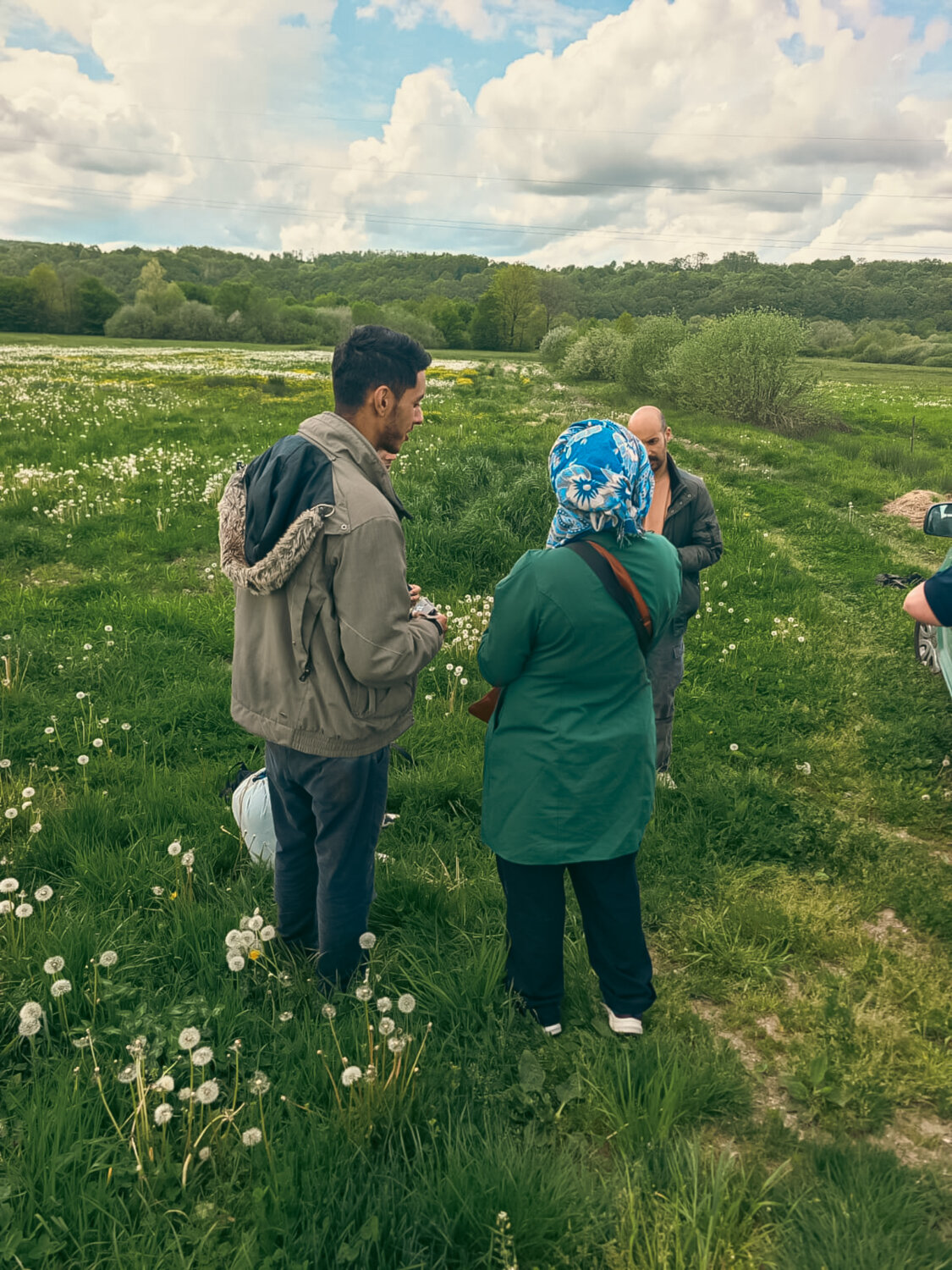
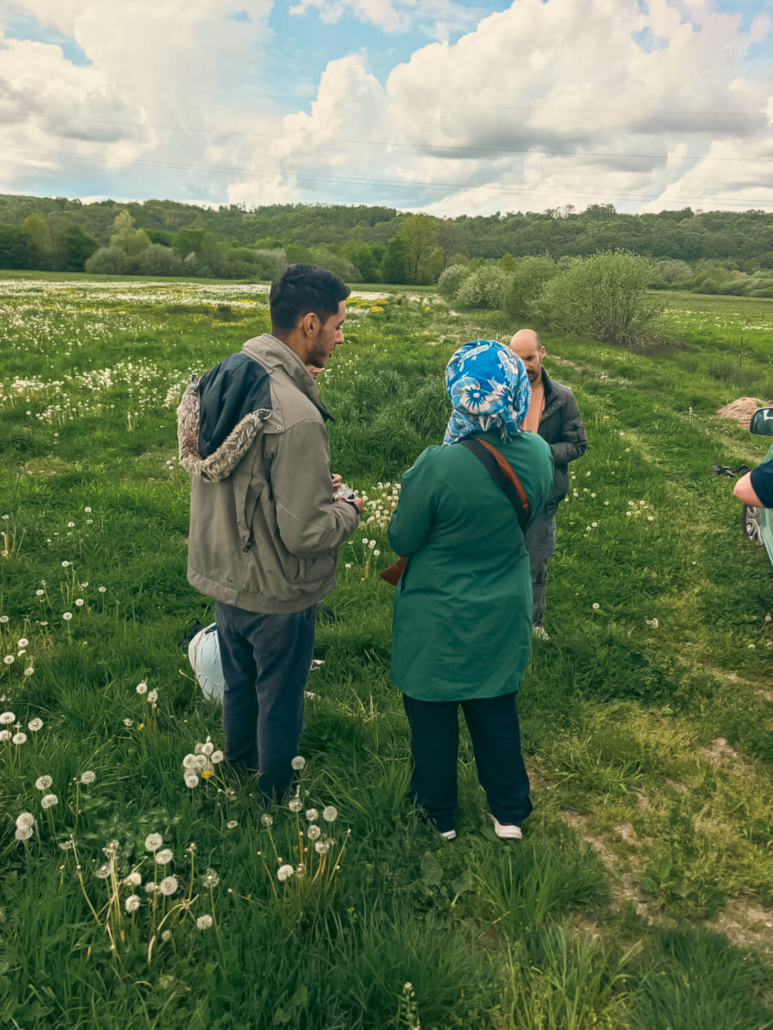
In Bosnia, a country that serves as a “transit zone” for migrants and refugees, we repeatedly witness tragic fates: People who have come to the EU fleeing war and persecution report that their insulin was confiscated by police at the border with Croatia. They are then often abandoned in the middle of the forest without medical care and often without the opportunity to apply for asylum, and deported back to Bosnia. The body is oversaturated with sugar but cannot process it—a dangerous condition that requires immediate medical intervention.
This practice is part of a repugnant European policy that relies on isolation and border controls. Migrants and people on the run are viewed as a “problem” rather than as people who have a right to safety and medical care. The EU continues to tighten its border policies, with serious consequences for the health and lives of people like those we encounter in Bosnia. This policy has been denounced in numerous reports by us and other human rights organizations such as Human Rights Watch and Ärzte ohne Grenzen.
Medicine or bread
Many older people who fled the war in Ukraine have found temporary shelter in Bulgaria. But instead of safety, they face isolation, and simply getting by day to day has become a struggle. Chronic conditions such as Parkinson’s disease and heart problems are among the most common health issues many of these people face. Yet access to urgently needed medications and medical care is limited. Medications cost more than their monthly pension, and a visit to the doctor often requires hours-long bus rides. In a situation where every decision comes down to “medications or food,” healthcare for refugees is barely guaranteed.
Although the EU has established principles for the healthcare of people on the run, access is not guaranteed in many countries. In Bulgaria, people on the run from Ukraine and other crisis-stricken regions are trapped in a Kafkaesque system that does not provide them with adequate protection. The lack of integration and support leads to unnecessary suffering. These grievances are not only a problem at the national level but also a failure of European solidarity.
Gaps in care and medical emergencies
Many of our patients in Greece suffer not only from the physical but also from the psychological consequences of their flight. A., a patient from Gaza, was deported from Germany to Greece because of his schizophrenia—without access to his essential medications. Without insurance, his only option was to go to the emergency room, where he received only half-hearted care. Others, such as the girl with a tracheostomy, face the same fate: medical emergencies that cannot be adequately treated in the camps.
Greece serves as one of the main points of arrival for people on the run coming to Europe via the Mediterranean route. Yet the country’s healthcare system is severely underfunded and overwhelmed. The asylum system is overwhelmed, and the EU is doing too little to provide real support to the affected countries. This leads to years of suffering and is a direct consequence of European refugee policy, which focuses on border security rather than on protecting human lives.
When scabies becomes a torment
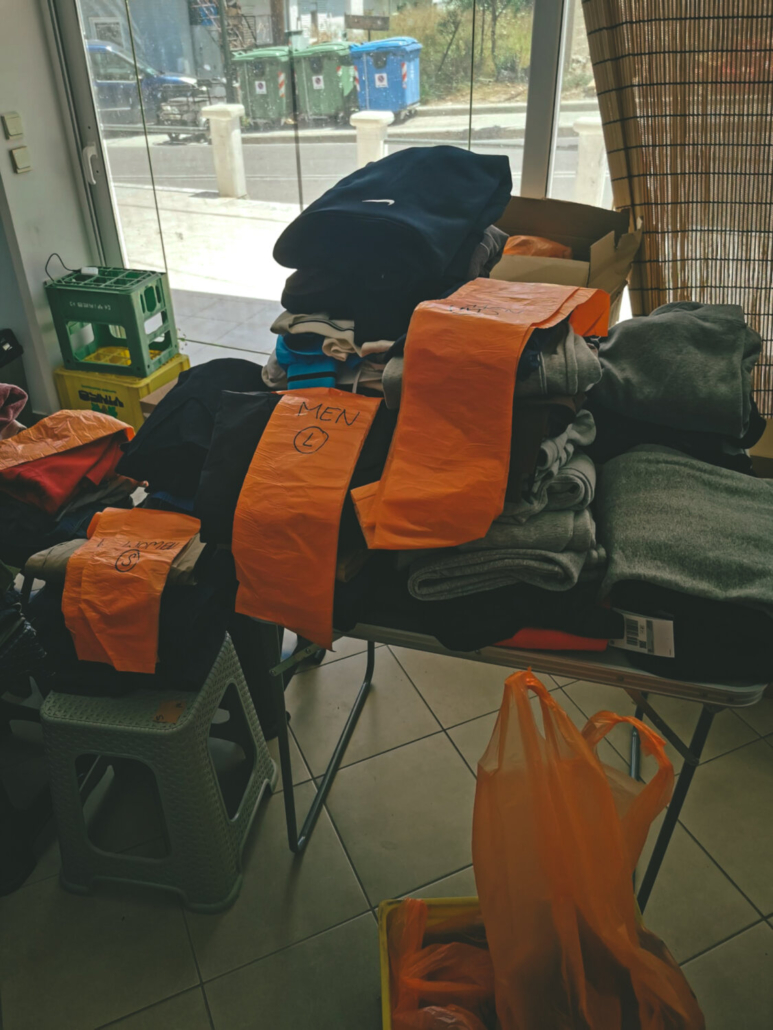
Access to sanitation facilities such as showers and washing machines is a luxury in many camps along Europe’s external borders. Access to clean water and sanitary facilities is particularly limited in the overcrowded camps on the borders of Bosnia, Bulgaria, and Greece. This leads to a dramatic rise in preventable diseases such as scabies. A simple skin infection that could be quickly cured with adequate hygiene spreads rapidly under the harsh conditions in the camps. Without access to water and hygiene supplies, scabies becomes a constant, agonizing companion.
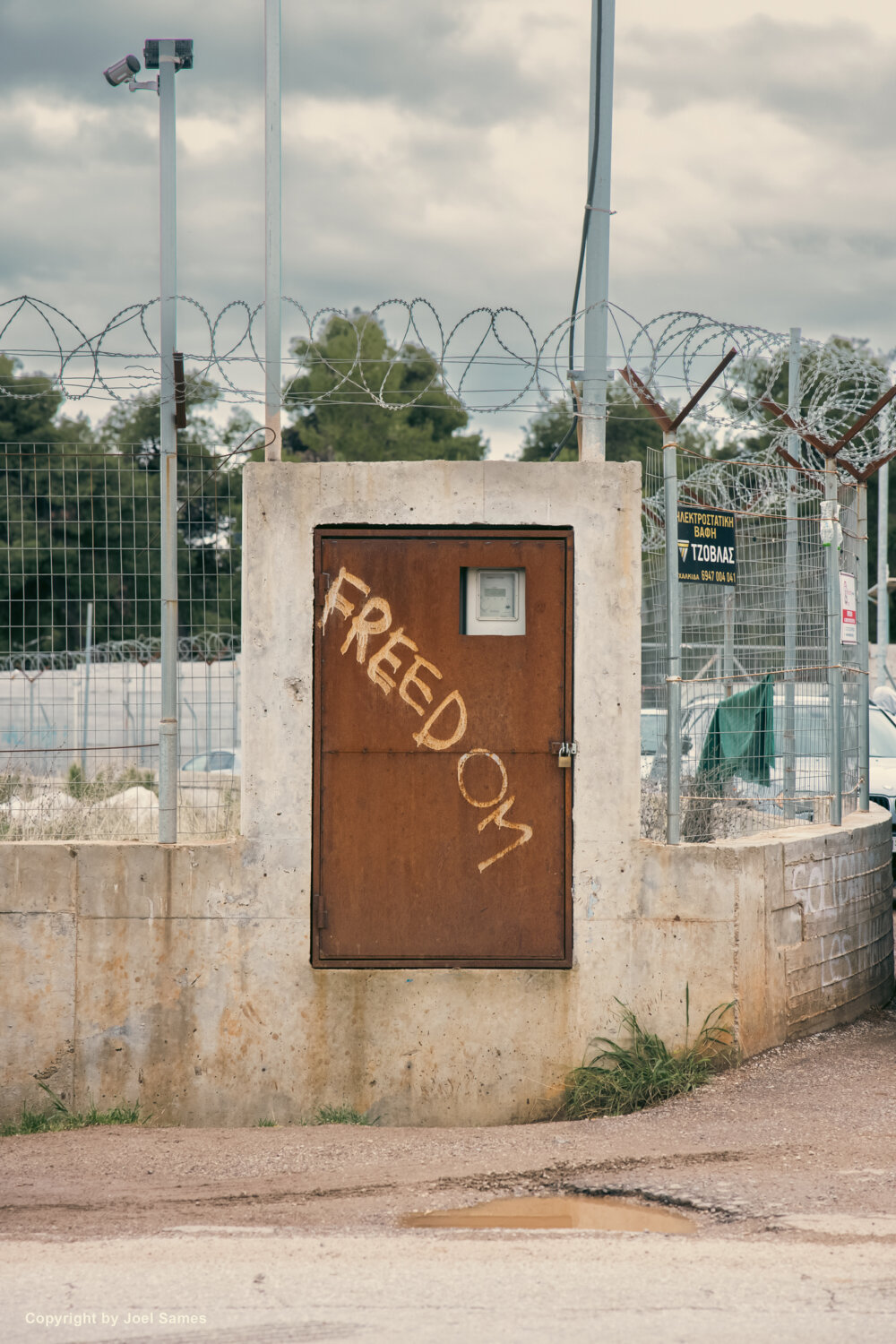
These catastrophic conditions are the direct result of an EU migration policy that prioritizes isolation and control over support and solidarity. Camps like the one in Vienna Rampa in Bulgaria or the CCAC on Kos show how European countries like Greece treat refugees: with a policy of exclusion and the denial of their basic rights. Health is systematically undermined, while the EU repeatedly fails to take responsibility for the safe and humane reception of migrants.
A Fight for Hope
Post-traumatic stress disorder (PTSD) affects many people who have fled their homes. It is caused by traumatic experiences in their country of origin, during their flight, or in host countries, where many people live in a constant state of rejection and dehumanization. Especially in European countries located at the external borders, many refugees have no access to psychotherapeutic care. Instead of receiving help and hope, they experience the opposite: exclusion, violence, and a lack of support.
Approximately 85% of the more than 3 million refugees living in Germany have experienced trauma, and about 30% suffer from depression or PTSD. Although there are numerous centers for psychosocial counseling in Germany, these are often associated with long wait times and, for people with refugee or migrant backgrounds, with significant hurdles and language barriers.
Each of these stories represents many more.
Support us in our work to help people in need.